
The process starts with your vision for us.
Before you pick up any frame, it’s important to understand exactly what your eyes need. As a ZEISS Expert Optician we have state-of-the-art tools such as ZEISS i.Profiler+which can map the optical characteristics of your eyes in great detail in just a few minutes. If necessary, we can also provide a specialist examination, because glasses work best when all the parameters are personalised.
Such an accurate test is also essential because dioptre, cylinder values, pupil distance, higher order aberrations or refraction characteristics all influence the type of lens you should choose – and therefore the frame that will give you the best visual experience.
Living situation and usage are equally important
There are different situations for different people. Some people need a special office lens because of the long hours they spend in front of a monitor, others need them for driving, and still others need them for mixed use. That’s why we always take the time after the test to discuss the circumstances in which you will be using your glasses. This is where we find out exactly what lens category suits you and what surface treatments you will need (hard coat, glare reduction, blue light filtering, scratch resistance, thinning, etc.).
The type of lens also automatically determines the discount that can be given on the price of the frame. If you choose premium lenses, the frame price can be fully waived, so you can get the frame for free.
The right lens requires the right frame
Many people don’t know this, but not all lenses can be fitted into any frame. Some frame shapes may be too narrow or too deep, others may need to be sized or made of a material that is suitable for larger dioptres.
At our opticians, after the lens selection, we offer you a personalised frame consultation, where we take into account:
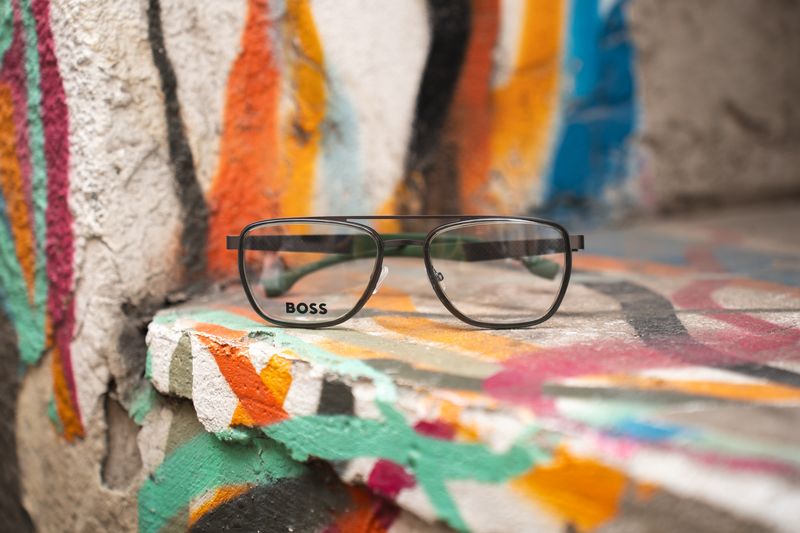
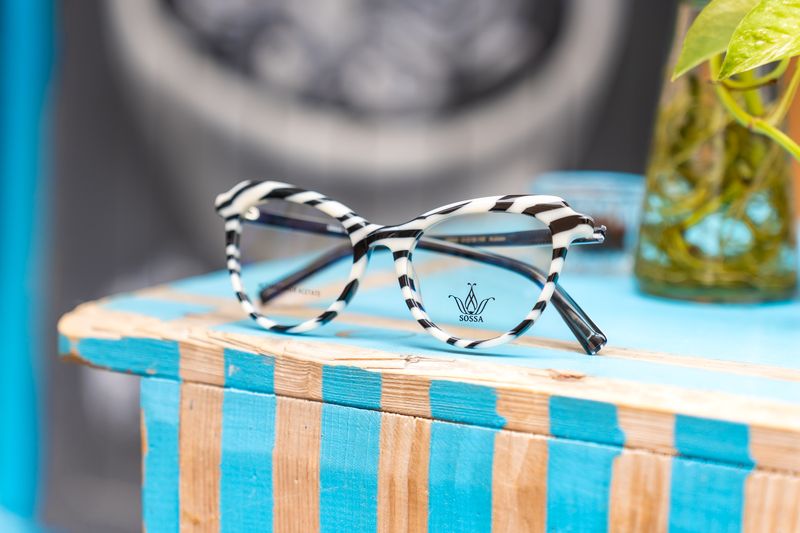
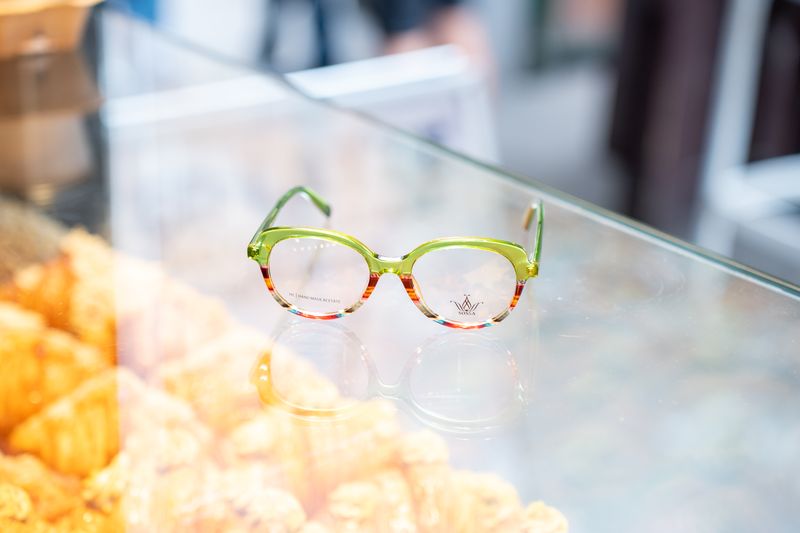
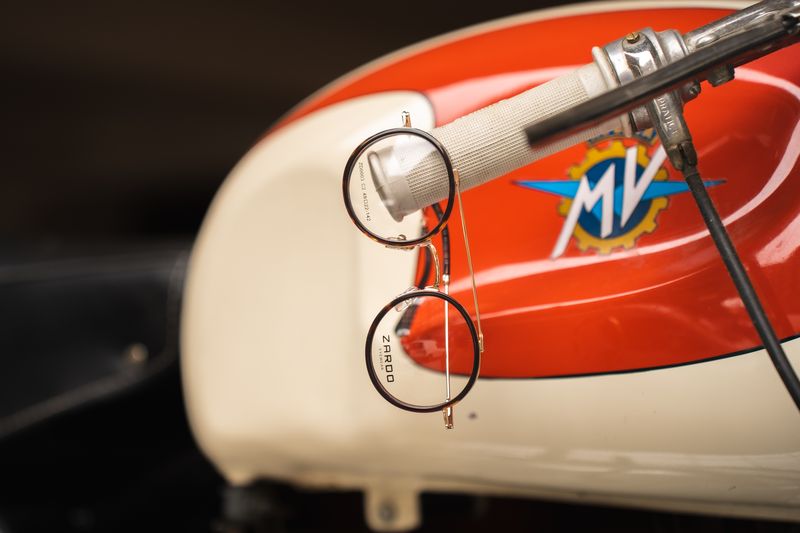
A frame is good if it fits the curve of your face, doesn’t slip, doesn’t weigh you down, doesn’t touch your face, and is centered on the lens. A frame that is too large can result in a heavy and thick lens, while one that is too small can limit your field of vision, especially with multifocal lenses.
How to choose the right frame – the most important considerations
Choosing a frame is much more than just “whether it looks good in the mirror”. Size, material, weight, nose bridge design and stem length all affect what you will wear.
A frame that is too large can result in a heavy, thick, distorting lens; it can slip, slip, fog and be uncomfortable. And a frame that is too small can limit the field of view – for example, with multifocal lenses.
In addition, the shape of the face also plays a key role. A round face is balanced by an angular frame, a heart-shaped face is harmonised by rounder shapes, an angular face is softened by soft lines, while oval faces can be almost any style.
We’ll discuss all of these with you in person and help you find the frame that you feel comfortable in and that, together with your lenses, will give you the perfect visual experience.
ZEISS i.Terminal®2 – ensuring a millimetre-precise fit
Once you have found the right frame and lens, you can start making glasses in the ZEISS i.Terminal®2 is used to make the glasses. This 3D digital centering system records your head position, viewing angles, eye distance, frame tilt and curvature with perfect accuracy. This data allows you to position the lenses exactly where and how you need them.
The difference is immediately noticeable in everyday life: sharper images, faster adaptation, more relaxed vision.
Ordering and receiving is quick and easy
Once the lenses and frames have been selected, the preparation takes a few working days. Your glasses will be handed over to you ready adjusted, so that they are comfortable and accurate from the first moment.