
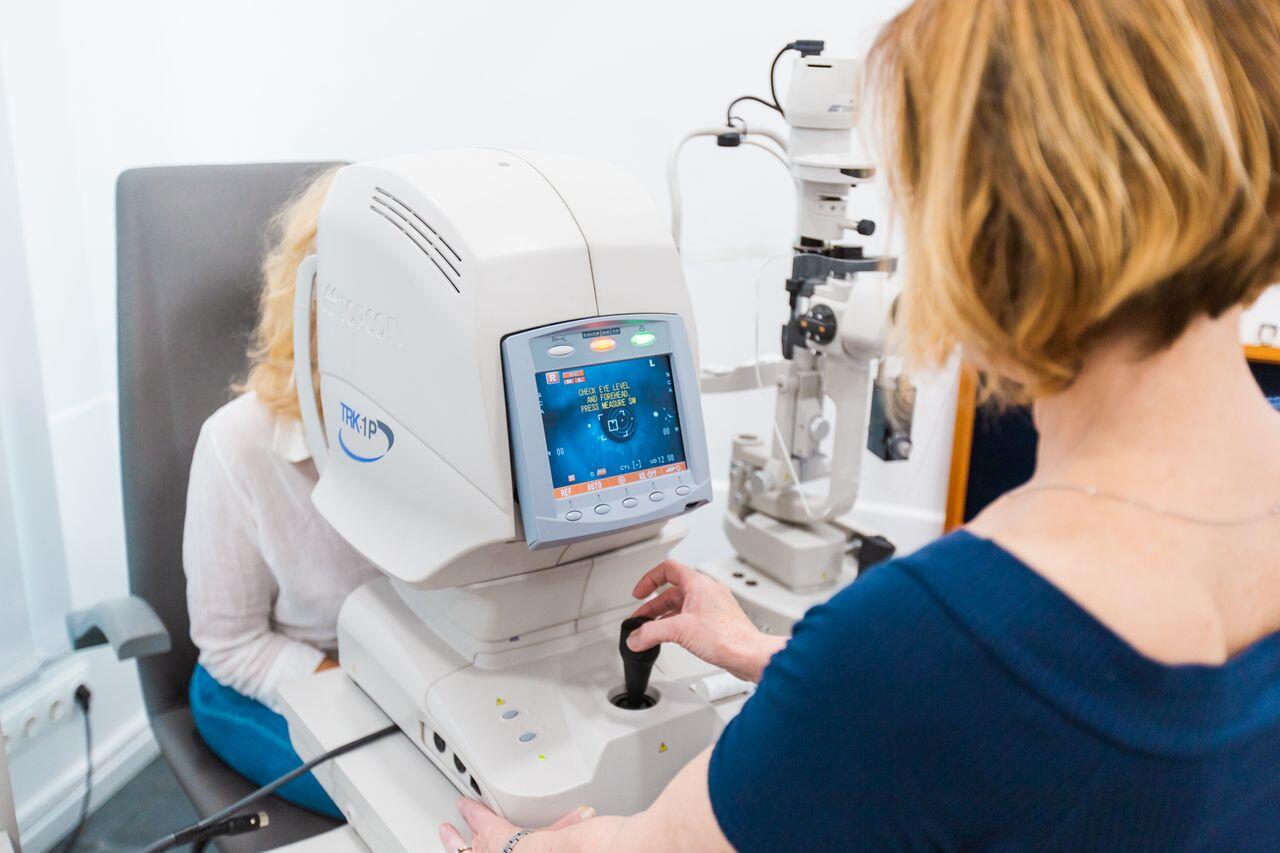
When treating vision problems, it is important to know when to see an optometrist and when to see an ophthalmologist. Although there is overlap between the two professions, their roles and competencies differ, so each has a role to play in maintaining eye health.
From the optometrist
The optometrist is the first level expert on vision problems. He or she carries out visual acuity tests and determines what type of glasses or contact lenses are needed. The optometrist assesses the refractive errors of the eye (e.g. myopia, farsightedness, astigmatism), the functioning of the eye muscles, binocular vision and external influences on the eye. It also helps you choose the right glasses or contact lenses and advises on solutions to support eye health.
You should see an optometrist if:
- In twilight or daylight you can see blurred
- Short or long-sightedness that you want to correct with glasses or contact lenses
- Your vision is a problem on a daily basis, but you do not notice any serious pain or illness
- You’re looking to order glasses or contact lenses and want to be sure of your choice
An optometrist can also perform tests on the fundus of the eye, but does not make an ophthalmic diagnosis. If he detects a problem that is outside his area of expertise, he will refer you to an ophthalmologist.
Ophthalmologist doctor
An ophthalmologist is a doctor specialising in the diagnosis and treatment of eye diseases. He or she is the one who can detect and treat eye diseases such as glaucoma, cataracts, retinal detachment, macular degeneration and other serious eye diseases. Ophthalmologists are the doctors who perform complex eye examinations, such as detailed examination of the cornea or fundus.
You should see an ophthalmologist if you experience vision loss and the following symptoms:
- Pain, pressure in the eye
- Blurred vision, colour vision problems
- Headache, associated with visual disturbance
- Hereditary factors associated with eye diseases, such as a family history of glaucoma
Although the work of an optometrist and an ophthalmologist is different, both play a key role in maintaining eye health. If you just need vision correction, an optometrist is the right choice. However, if you suspect any eye disease or injury, don’t hesitate to see an optometrist.
A Rapidus Optica we can help you to be referred to the right specialist and get the best treatment for your vision problems. Don’t ignore your eye health – consult our experts and book an appointment today!
